Top Apex Deck Builders Georgetown for Deck Repair Services
Personalized Railings and Stairs: Bring Style and Functionality to Your Deck
Custom railings and staircases are fundamental to enhancing the aesthetics and functionality of a deck. By selecting unique designs and materials, homeowners can craft a welcoming outdoor area that showcases their individual taste. Structural integrity and long-lasting performance are also key priorities. Investigating a range of styles and materials can highlight solutions that find the perfect harmony. What elements should homeowners evaluate when beginning this design process?
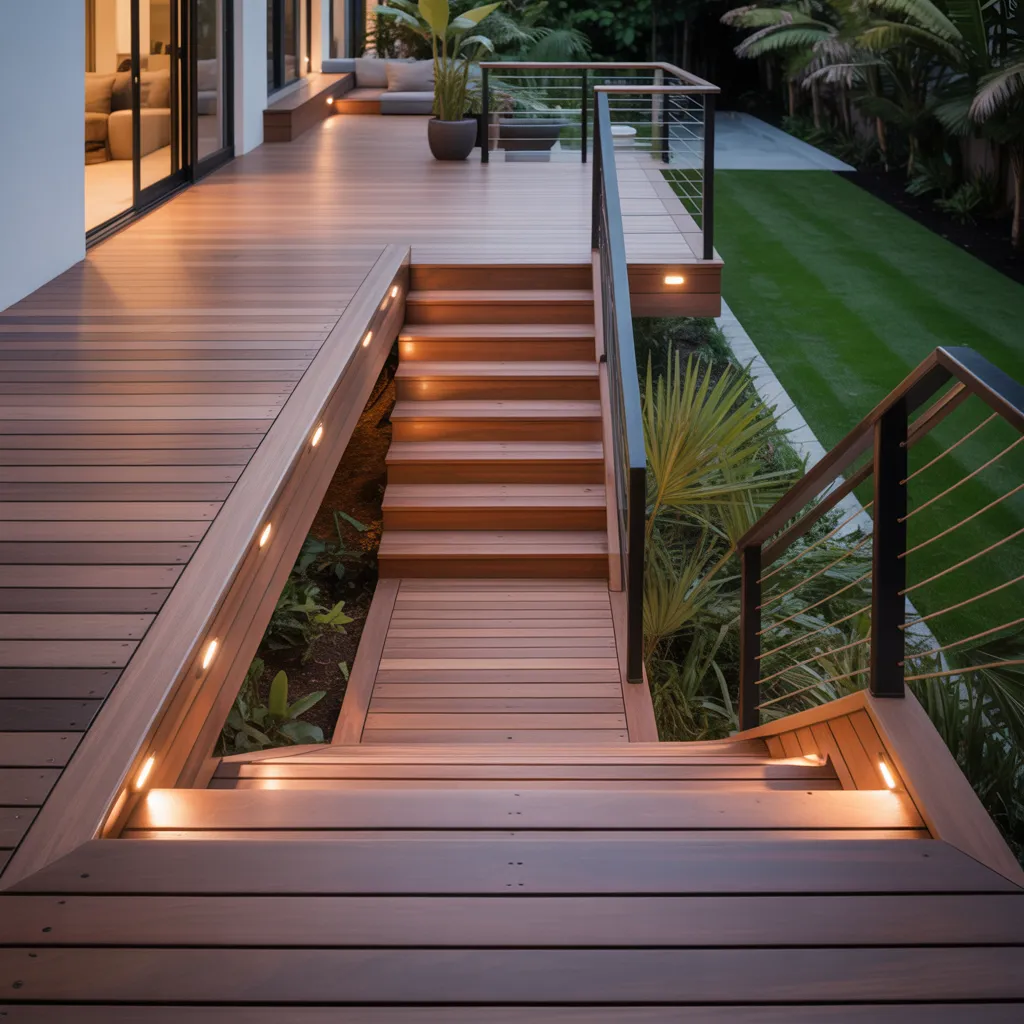
The Advantages of Custom Railings and Stairs
Bespoke railings and stairs improve both visual appeal and functionality in every space. They provide a distinctive chance to enhance the visual appeal, converting everyday spaces into impressive focal points. By incorporating personalized designs, homeowners can effortlessly coordinate these additions with their home decor, expressing unique tastes and stylistic choices.
Beyond aesthetics, custom railings and stairs provide significant safety benefits. Custom designs can ensure conformity with local building standards while minimizing the risk of accidents. The use of resilient materials also extends lifespan, reducing the need for frequent repairs or replacements.
Additionally, custom solutions allow for optimal use of available space, particularly in complex floor plans. With creative design approaches, property owners are able to enhance comfort and usability. Overall, investing in custom railings and stairs provides both visual appeal and functional benefits, making them an invaluable addition to any residential or commercial setting.
Popular Styles of Custom Railings and Stairs to Look Into
Style selections for railing and stair systems can significantly impact the overall ambiance of a given area. Among the most popular styles is the timeless wooden railing, which offers warmth and a timeless appeal. Contemporary metal railings, often displaying streamlined designs and minimalist elements, offer a contemporary aesthetic while guaranteeing long-lasting strength. For those desiring a countryside feel, wrought iron railings can introduce elaborate details and charm. Transparent glass railings are becoming widely preferred for their ability to create an open, airy feel, enabling clear sightlines. Moreover, wire cable railings merge utility with visual appeal, rendering them perfect for coastal or modern applications. Stairs can also reflect personal taste; selections extend from conventional straight stairs to dramatic spiral layouts, catering to various aesthetic preferences. Every design not only elevates the visual aesthetic but also serves a critical function in safety and accessibility, making deliberate decisions critical for every deck installation.
How to Choose the Best Materials for Your Custom Railings and Stairs
Picking the appropriate materials for bespoke railings and staircases demands close attention of both aesthetic appeal and durability. The decision of materials can considerably influence the longevity of the installation while also shaping the general aesthetic of the environment. Assessing these elements guarantees a harmony between practicality and aesthetic appeal.
Material Durability Considerations
Durability stands as a critical factor when choosing materials for railings and stairs, impacting both security and lasting quality. Property owners commonly weigh options including wood, metal, and composite materials. Wood, though visually appealing, often demands consistent upkeep to prevent rot and pest damage. Metals, such as aluminum and stainless steel, offer strength and resistance to harsh weather, making them suitable for various climates. Composite materials combine long-lasting performance with minimal upkeep, preventing fading and warping over the years. When selecting materials, one must also consider the environmental impact and availability. In the end, opting for durable materials not only improves the safety of railings and stairs but also ensures they endure over time, delivering lasting value and dependability.
Design Aesthetic Options
Visual aesthetics play an important role in the selection of materials used in customized railings and staircases, supporting the property's overall architectural style. Homeowners often consider various materials, such as wood, metal, and composite, each presenting distinctive aesthetic features. For a traditional aesthetic, natural wood delivers warmth and rich texture, whereas metals such as wrought iron or aluminum introduce a contemporary, polished feel. Composite materials provide flexibility in color and finish, allowing for customization that suits diverse architectural styles. Additionally, homeowners should consider the surrounding landscape and home exterior to ensure visual cohesion. Color schemes, textures, and finishes should align with the overall aesthetic, establishing a harmonious visual identity that improves the outdoor space while meeting functional requirements.
How Do You Guarantee Safety Features in Your Design?
Guaranteeing safe elements in personalized railings and stairways requires following building code standards, selecting appropriate materials, and integrating functional structural elements. Each aspect plays an essential role in establishing a secure setting for users. A complete knowledge of these factors is essential for every successful project.
Code Compliance Standards
When planning personalized railings and staircases, following code compliance requirements is essential for ensuring safety. Building codes specify important dimensions, like the height and placement of railings, ensuring they can effectively prevent falls. Additionally, local regulations may dictate the materials used, impacting strength and safety in varying weather conditions. It is essential to consult local building authorities or a qualified professional to verify designs meet all applicable codes. Routine evaluations throughout the construction phase further enhance safety by identifying potential issues early. By emphasizing regulatory compliance, property owners can develop practical and visually appealing railings and staircases that deliver confidence and lasting protection for all individuals.
Material Choice Considerations
Selecting the right choices for personalized railings and staircases is essential for improving safety features within the design. Sturdy materials such as stainless steel, aluminum, and treated wood provide strength and resistance to environmental wear. While aesthetics are important, the physical integrity of the material must be equally considered to prevent accidents. Slip-resistant surfaces are critical to provide reliable traction, especially in damp environments. Additionally, materials should adhere to local building codes and safety regulations, which often specify essential load-bearing standards. Consideration of the material's maintenance needs is vital, as materials prone to damage can undermine long-term safety. Ultimately, a thoughtful strategy to material choice encourages both design elegance and structural safety in stair and railing designs.
Safety Features in Design
Key safety features in design are vital in custom railings and stairs, as they significantly affect user protection and overall functionality. To guarantee safety, designers should adhere to local building codes, which outline minimum height and structural requirements. Integrating non-slip materials is crucial, especially in areas prone to moisture. Additionally, railings should feature a height that prevents falls while providing a secure grasp for users. Attention to spacing between balusters is important to reduce fall incidents, particularly for children. Sight lines represent another important factor; contrasting colors can help improve awareness of edges and steps. Finally, regular maintenance checks are essential to ensure that all components remain secure and functional, protecting users while extending the lifespan of the installation.
Important Upkeep Tips for Preserving Your Custom Railings and Stairs
Maintaining your custom railings and stairways is vital for maintaining their lifespan and attractive appearance. Regular inspections are key to identifying any signs of wear, such as oxidation, unstable components, or fractured timber. Proper cleaning is just as essential; utilizing a light soap solution alongside a gentle brush can aid in clearing debris and stopping buildup that might result in long-term damage. For wooden railings and stairways, adding a protective finish every couple of years can protect against water infiltration and sun exposure, preserving both color and integrity.
Metal railings need to be examined for deterioration, most notably in waterfront regions where salt air can hasten damage. Recoating or restoring metal surfaces can enhance durability and appearance. Additionally, ensuring that drainage systems are functioning properly will prevent water accumulation, which can result in serious structural problems. By following these care guidelines, homeowners can take pleasure in their bespoke railings and stairs well into the future.
Financial Planning for Your Custom Outdoor Upgrades
After guaranteeing the longevity of personalized railings and staircases through consistent maintenance practices, homeowners commonly begin considering setting aside resources for outdoor renovations. Developing a precise budget is critical to guard against budget overruns and to confirm that the desired enhancements are consistent with monetary resources. Homeowners would benefit from reviewing the costs of supplies, installation, and extra components, like illumination or ornamental details.
One should compile an ordered list of planned enhancements, separating essential needs from optional additions. This aids in reaching well-considered decisions when finances are constrained. Additionally, homeowners should consider setting aside a contingency fund for unexpected expenses that may arise during the project.
Investigating different vendors and assessing pricing can also result in affordable options. By handling budget management methodically, homeowners can bring their ideas for tailored outdoor environments to life while keeping their finances in check.
How to Locate the Ideal Contractor for Your Outdoor Project
What steps can homeowners take to ensure they choose the right contractor for their outdoor project? Initially, they should carry out detailed research, beginning with online reviews and explore the details community recommendations. This allows homeowners to pinpoint contractors with a strong track record in custom railings and stairs. Additionally, homeowners should check credentials, such as licenses and insurance, to ensure the contractor satisfies industry requirements.
Homeowners are also encouraged to seek thorough written estimates from various contractors, weighing expenses and completion schedules. Participating in personal consultations helps homeowners assess communication approaches and professional conduct. Additionally, reviewing past work portfolios can offer valuable information about a contractor's expertise and creative abilities.
Additionally seeking references from previous clients can be helpful in evaluating trustworthiness and craftsmanship. By adhering to this process, homeowners can confidently choose a professional who understands their goals and assures a successful outdoor project.

Common Questions and Answers
What Is the Timeline for Installing Custom Railings and Stairs?
Installation of custom stairs and railings generally requires one to three days, subject to how complex the design is, the type of materials selected, and the experience of the installation team assigned to the project.
Is It Possible to Customize the Color of My Railings and Stairs?
Certainly, color customization options for railings and stairs are generally offered. Property owners can pick from a wide range of shades to complement their aesthetic preferences, creating a harmonious aesthetic for their exterior spaces.
Are Custom Railings and Stairs Weather-Resistant?
Customized railings and staircases can be crafted to remain resistant to harsh weather conditions, making use of materials such as composite wood or aluminum. These material choices enhance durability, making sure they hold up against a wide range of environmental conditions all while preserving their aesthetic appeal and functionality.
What Are the Average Costs of Custom Railings and Stairs?
The typical cost of custom railing and stair installations usually ranges from $1,000 to $4,000, depending on installation requirements, materials, and design complexity. Homeowners need to account for labor and materials alike when preparing for their projects.
Do You Need a Permit to Install Custom Railings?
Custom railing installations typically require a permit for installation, depending on the building codes and regulations in your area. It is recommended for homeowners to check with their local authorities to ensure compliance and prevent safety issues or potential fines.